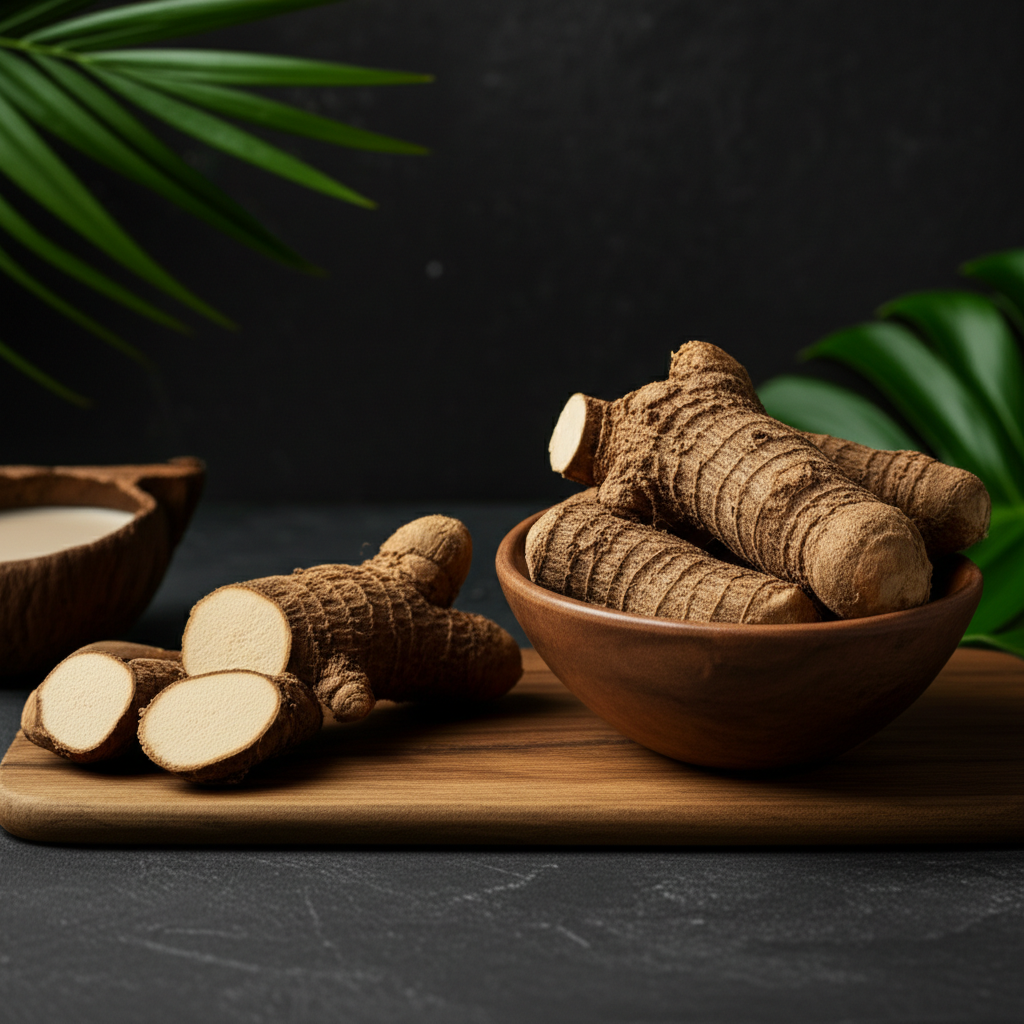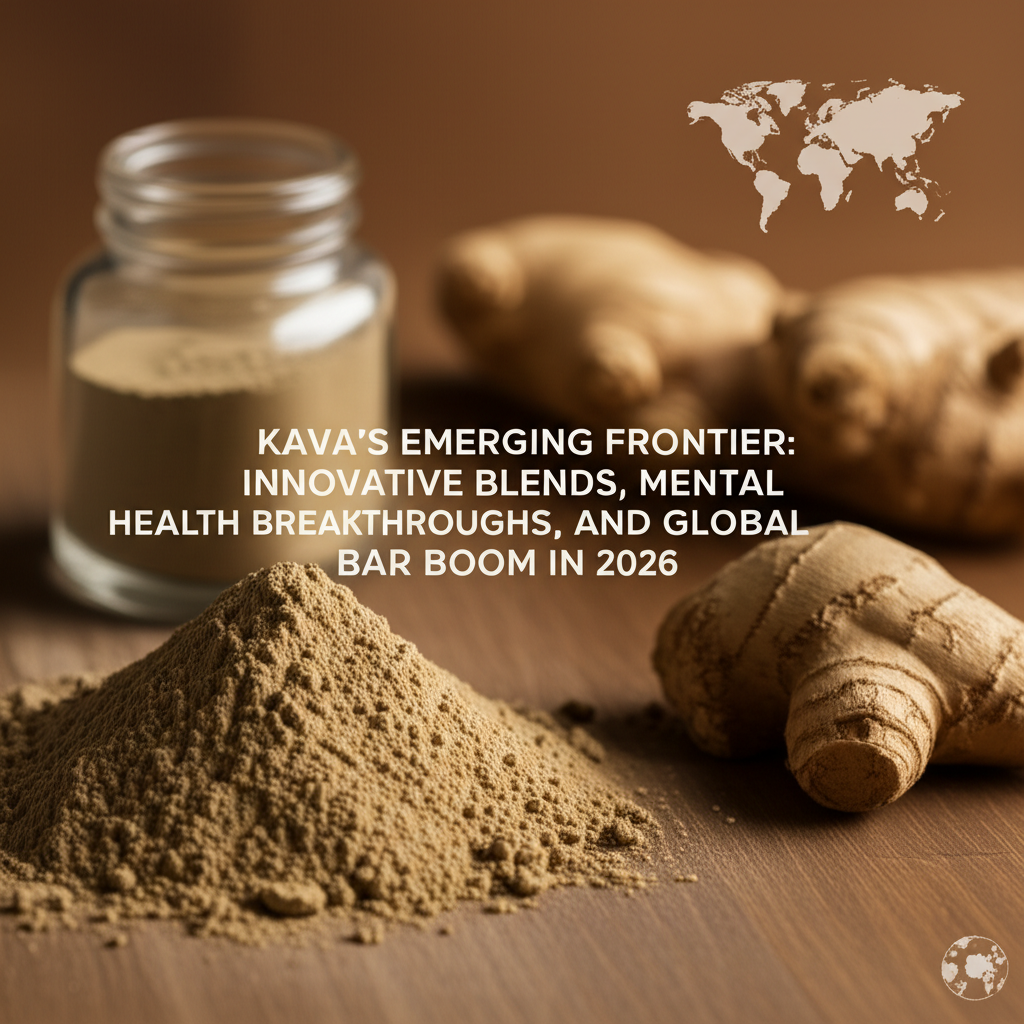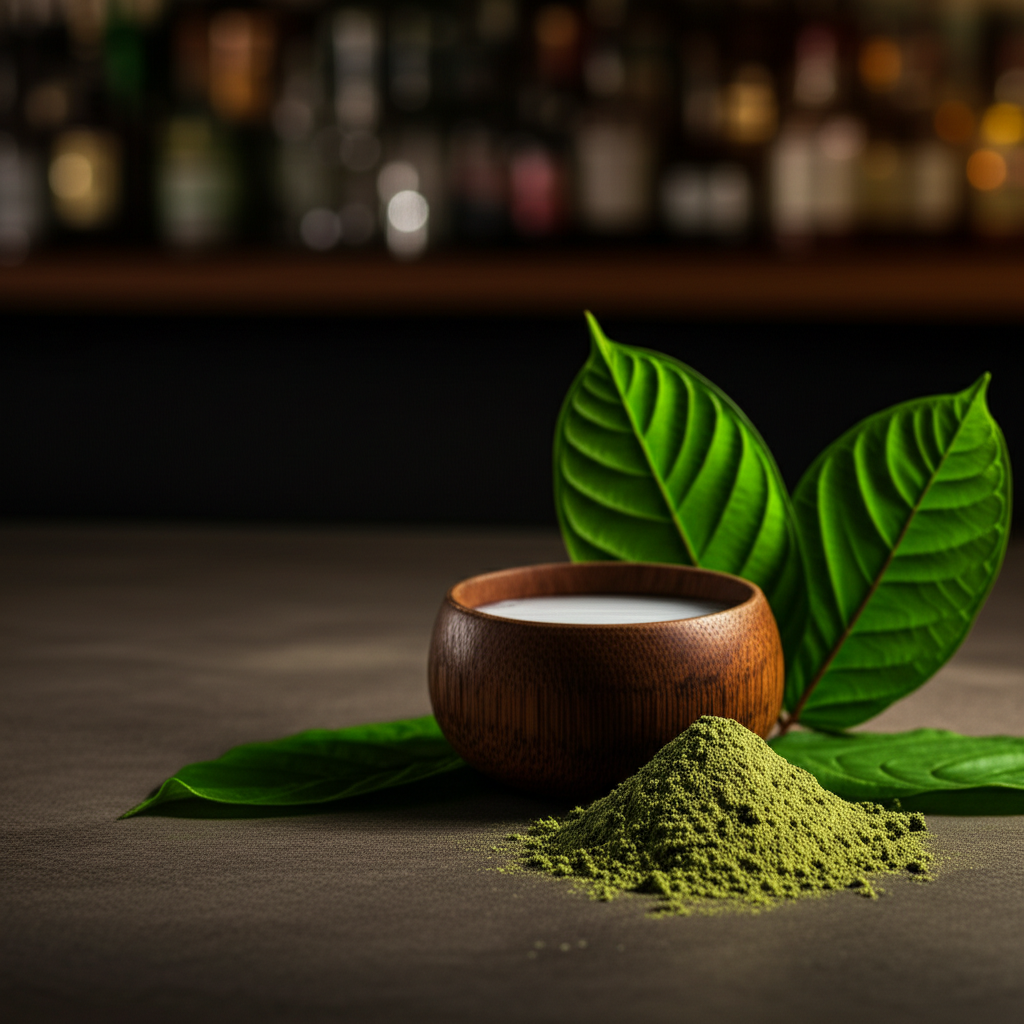
As we dive into 2026, the world of natural wellness is experiencing a fascinating transformation, with kava and kratom $1 as stars in the spotlight. These ancient herbs, rooted in Pacific Island and Southeast Asian traditions, are captivating a new generation seeking alternatives to conventional stress relief and energy boosters. From innovative kava bars popping up in unexpected locales to groundbreaking studies highlighting their benefits, this wave is reshaping how we approach holistic health. In this article, we'll explore the latest trends, backed by emerging research, to help you understand why kava and kratom are more than just fleeting fads.
The Rise of Innovative Kava Bars Around the World
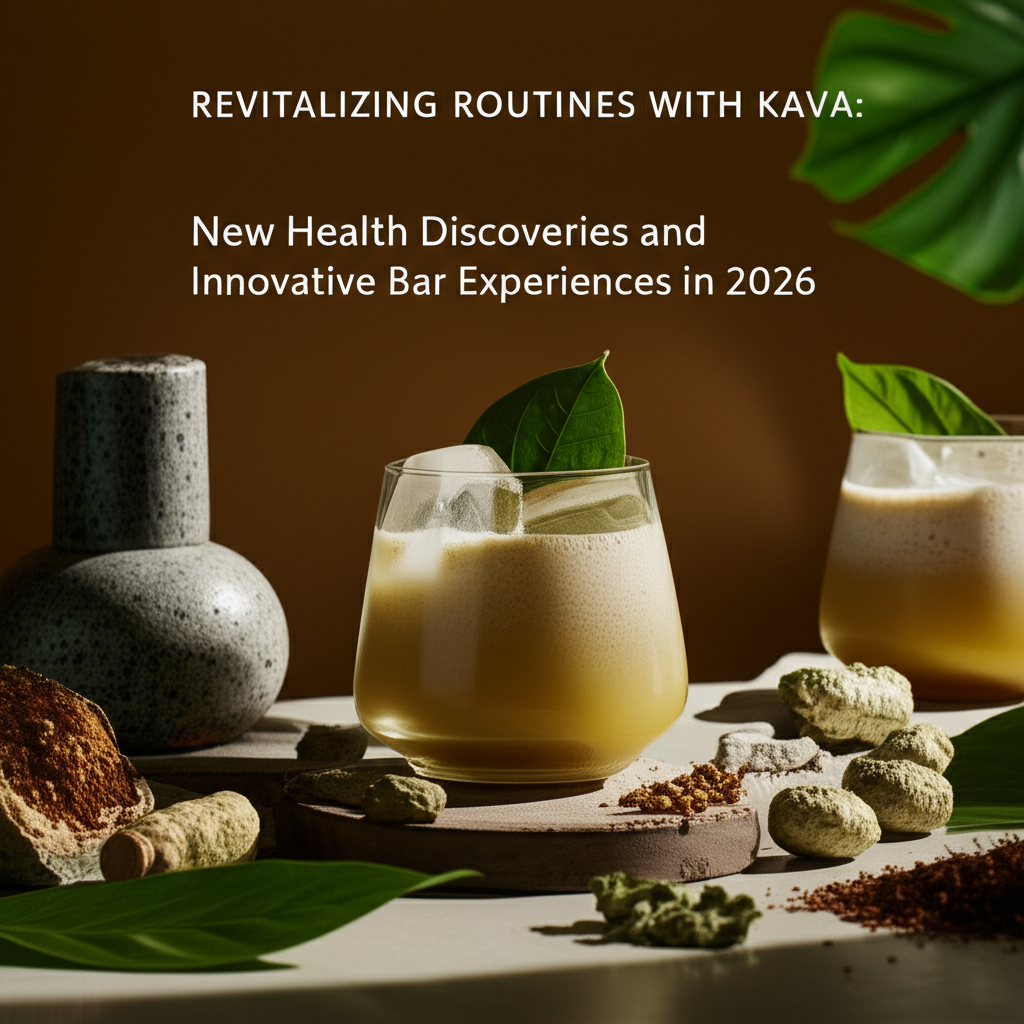
In recent months, kava bars have become the go-to destinations for those looking to unwind without alcohol's downsides. Unlike traditional bars, these venues offer a social atmosphere centered on kava, a root from the South Pacific known for its calming effects. A notable example is the recent opening of "Kava Haven" in Honolulu, Hawaii, which blends modern mixology with cultural heritage. This bar features customized kava drinks infused with tropical fruits and adaptogens, creating a relaxing environment that attracts both locals and tourists.
What's driving this boom? The demand for non-alcoholic social spaces has surged, especially among younger demographics prioritizing mental health. Kava bars provide a community vibe, often hosting events like live music or wellness workshops. According to industry reports, the number of kava bars in the U.S. has grown by 40% since 2025, with expansions now reaching Asia and Europe. For instance, a new kava bar in Tokyo, Japan, opened last month, merging kava with traditional tea ceremonies to appeal to health-conscious consumers. This global spread highlights $1 versatility and its role in fostering mindful social interactions.
To get started with kava, consider these tips:
- Start with a low dose to gauge your body's response, as effects can vary.
- Choose high-quality, noble variety kava for the best experience and to avoid potential side effects.
- Pair it with activities like yoga or meditation to enhance its relaxing properties.
Emerging Studies on $1 Health Benefits
Scientific interest in kava has skyrocketed in 2026, with several studies shedding light on its potential health advantages. A recent study published in the Journal of Ethnopharmacology examined kava's impact on anxiety and sleep quality. Researchers found that regular consumption of kava extract led to a 25% reduction in anxiety symptoms among participants, attributing this to kava's active compounds, known as kavalactones, which interact with brain receptors to promote relaxation without impairing cognitive function.
Another exciting development comes from a study at the University of Queensland, Australia, which explored kava's anti-inflammatory properties. The research indicated that kava could help manage chronic inflammation, a root cause of conditions like arthritis and heart disease. Participants reported improved joint mobility and reduced pain levels after incorporating kava into their routines. These findings are particularly timely, as global health organizations emphasize natural remedies for everyday ailments.
However, it's crucial to approach kava with informed caution. While benefits are promising, experts recommend consulting healthcare professionals, especially for those with liver concerns. Key takeaways from recent research include:
- Kava may enhance mood and reduce stress, making it a popular choice for busy professionals.
- Its potential cognitive benefits, such as improved focus, are being explored in ongoing trials.
- Combining kava with a balanced diet can amplify its effects, as seen in studies linking it to better overall well-being.
Insights into the Evolving Kratom Industry
Parallel to kava's rise, the kratom industry is experiencing a global surge, with new products and market expansions drawing attention. Originating from Southeast Asia, kratom leaves have been used for centuries for their stimulating and pain-relieving properties. In 2026, the industry is projected to reach a valuation of $2 billion, fueled by innovative formulations like kratom-infused teas and capsules that cater to diverse needs.
One trend gaining traction is the integration of kratom into wellness routines for energy and focus. A survey by the Global Herb Association revealed that 60% of kratom users report increased productivity, particularly in creative fields. This has led to partnerships between kratom suppliers and tech companies, resulting in products designed for the modern workforce. For example, a new line of kratom-based energy shots was launched in Europe earlier this year, emphasizing natural ingredients over synthetic stimulants.
The industry is also focusing on sustainability and quality control. Farmers in Indonesia and Thailand are adopting eco-friendly practices to meet rising demand, ensuring that kratom cultivation doesn't harm local ecosystems. Here's a quick guide to navigating kratom options:
- Opt for strains like Maeng Da for energy boosts or Bali for relaxation, based on your goals.
- Always source from reputable vendors who provide third-party testing for purity.
- Monitor your intake to prevent tolerance buildup, as moderation is key to long-term benefits.
The Intersection of Kava, Kratom, and Modern Wellness Trends
As kava bars flourish and the kratom industry innovates, both herbs are intersecting with broader wellness trends in 2026. People are increasingly turning to these natural options amid a backlash against pharmaceutical dependencies, seeking products that align with holistic lifestyles. For instance, social media influencers are promoting kava-kombucha hybrids, blending ancient wisdom with contemporary health hacks to appeal to millennials and Gen Z.
Experts suggest that the synergy between kava and kratom lies in their complementary effects: kava for calming the mind and kratom for invigorating the body. A recent panel at the International Herbal Symposium discussed how these herbs could be part of personalized wellness plans, potentially reducing reliance on caffeine or sedatives. To incorporate them safely, consider:
- Experimenting with blends, like kava with kratom, under professional guidance.
- Tracking your health metrics to observe real changes.
- Staying updated on research to make informed choices.
Looking Ahead: The Future of Kava and Kratom
In conclusion, the kava wave and kratom's global surge represent a pivotal shift in how we view natural remedies. With new bars fostering community and studies uncovering health benefits, these herbs are more accessible and understood than ever. As we move forward in 2026, embracing these trends with education and responsibility could lead to a healthier, more balanced world. Whether you're sipping kava at a new bar or exploring kratom for daily energy, the key is to prioritize quality and listen to your body.